Why It’s Worth It | Ever notice how some people seem to bounce back from trauma while others get stuck? Here’s what’s fascinating: after 9/11, psychiatrist Sue Varma noticed something puzzling. While treating survivors at the World Trade Center Mental Health Program, she saw that some patients developed PTSD, anxiety, and depression, while others who experienced the exact same trauma didn’t just survive… they thrived. They even showed up to help other patients navigate the subway when agoraphobia kept them homebound. What was their secret? Laurie Santos explores this mystery with Sue at the World Happiness Summit, discovering it’s not about toxic positivity or looking on the bright side. It’s about something Sue calls “practical optimism.”
Sue’s journey started that September morning as a medical student in a New York hospital. All healthcare workers were told to discharge patients to make room for the injured, but the injured people never came. The death toll was just that high. Years later, Sue became the sole psychiatrist for hundreds of 9/11 survivors. That’s when she met Shelley, a self-described optimist who wore cute heels to work and organized company 5Ks. After getting caught in dust clouds, trampled, and walking barefoot through debris, Shelley told Sue something deeply personal: “I feel broken.” How do you help someone when there’s no silver lining, no positive spin?
The conversation shifts when Sue explains the difference between optimism and practical optimism. Regular optimism is just expecting good outcomes, which by itself isn’t enough. Practical optimism translates positive outlooks into positive outcomes through action. It’s a practice, like yoga or learning a language. Sue discovered that while 25% of people are born with naturally optimistic genes (specifically, the oxytocin receptor gene), the other 75% of us can learn the skills optimists use. The research is stunning: optimists live 10-15% longer, have 30% less chance of heart attacks, are 40% more likely to get raises, and maintain stronger friendships. They’re not just living longer; they’re living healthier.
Laurie and Sue dig into why we resist this. The biggest barrier? We’re terrified of our emotions. Sue shares how patients suppress feelings because confronting them might mean making massive life changes. One patient knew she resented her partner but wasn’t ready to leave, so she buried the feelings. Sue’s approach: think of emotions like dresser drawers. We don’t dump everything out at once; we organize one drawer at a time. Her catchphrase for processing emotions is “name it, claim it, tame it, reframe it.” Name the trigger, claim where you feel it in your body (that tension headache might be suppressed anger), tame it through healthy self-soothing, then reframe when possible.
They explore the Japanese art of kintsugi: broken pottery repaired with golden lacquer, becoming more beautiful than before. This became Sue’s metaphor for trauma recovery. Shelley would never be the woman who wore heels without thinking twice, but she became someone who carried sneakers and knew how to ask for help. When we lose self-efficacy (confidence in our abilities), we need to fight three barriers: helplessness (requires validation and rest), stuckness (needs flexibility: “write your purpose in pen but your path in pencil”), and fatigue (demands we schedule rest with the same urgency as work).
The session ends with Sue leading the audience through a powerful visualization, helping them envision the best possible solution to their problems. Shelley eventually got her promotion, not despite taking care of her mental health, but because of it. Her boss had no idea what she’d been through until she asked for help.
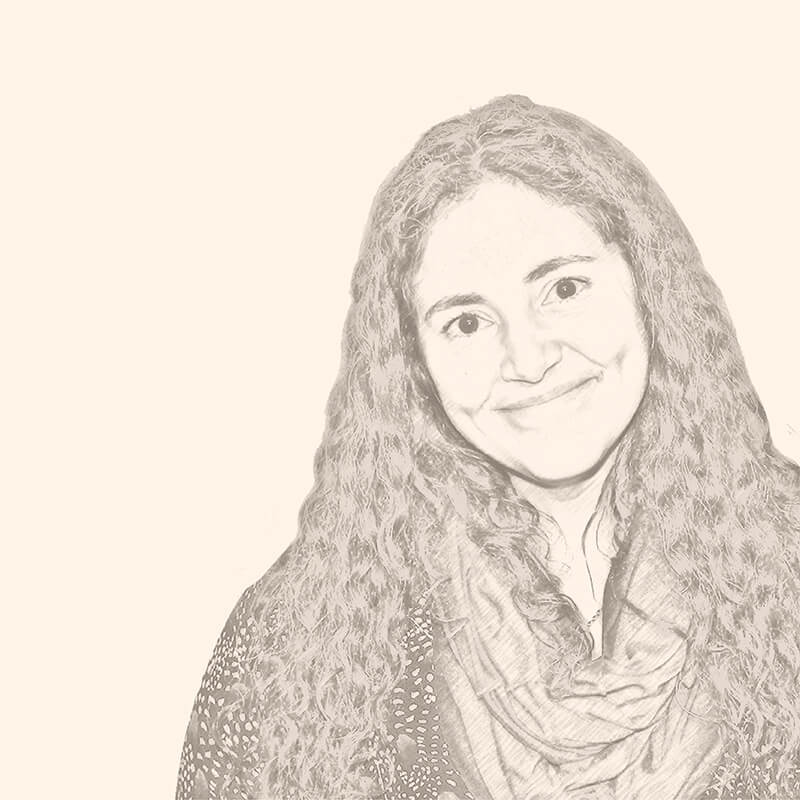
Background | In this episode, Laurie Santos hosts Sue Varma, author of Practical Optimism: The Art, Science, and Practice of Exceptional Well-Being and former medical director of the World Trade Center Mental Health Program, live at the World Happiness Summit in Miami. Key tips include:
- Practical optimism requires action: It’s not enough to expect good outcomes. We need skills to translate positive outlooks into positive results. Think of it as a practice requiring daily effort, not a personality trait.
- Process emotions systematically: Use “name it, claim it, tame it, reframe it.” Identify triggers, notice body sensations, self-soothe healthily, then reframe when possible. Some traumas have no silver lining; then it’s about acceptance, not resignation.
- The body keeps score: Suppressed emotions show up as physical symptoms: headaches, insomnia, digestive issues. It takes more energy to suppress feelings than to process them. Our forbidden emotions often manifest as illness.
- Rest isn’t earned, it’s required: We’re taught rest is wasteful, but fatigue destroys self-efficacy. Schedule rest with the same intention as work. Make sleep the center of our schedule, not what fits in around everything else.
- Flexibility beats fixedness: Write purpose in pen but path in pencil. When stuck, remember there are many roads to satisfaction. Sometimes giving up isn’t failure; it’s recognizing we’re on the wrong path.
- Optimism is learnable: Only 25% of us have naturally optimistic genes. The rest of us can develop skills: emotional regulation, asking for help, reframing, and self-compassion. Optimists and pessimists face equal adversity; optimists just cope better.
- Kintsugi mindset transforms trauma: Like pottery repaired with gold, we can become more beautiful after breaking. We won’t return to who we were before, and that’s okay. Sometimes our baseline is what got us into trouble anyway.
About | Laurie Santos is a Yale professor, researcher, and happiness expert who studies how psychology can guide us to make better choices and live happier, more fulfilling lives. Her course on happiness, the most popular course at Yale in over 300 years, is offered in an online version, The Science of Well-Being, on Coursera. Laurie also hosts The Happiness Lab, a podcast that focuses on changing how we think about happiness. Laurie’s core belief is simple: What our minds tell us will make us happy is often a lie.
Source | The Happiness Lab: Can You Become a “Practical” Optimist? – Season 10, Episode 19 (April 21, 2025)