Why It’s Worth It | When unplanned change hits, it sometimes feels like we have lost something profound. An illness takes a loved one, we lose a job, or we decide to divorce. And it seems like we will never “get back” to where we were. What if the biggest misconception we carry about change is that we have to face it as who we currently are? And what if the curveball we rail against is actually quietly building a new “us” (think a cooler, tougher, happier version)?
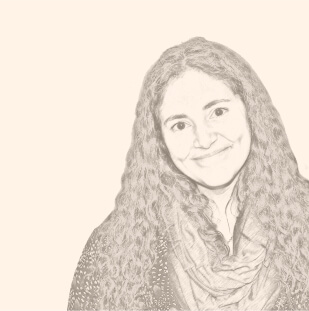
In this episode of The Happiness Lab, host Laurie Santos sits down with cognitive scientist, podcaster, and former student Dr. Maya Shankar to explore the psychology of unexpected change. Drawing on her book The Other Side of Change, Maya walks through the science of why change destabilizes us, the misconceptions that make it harder than it needs to be, and a toolkit of research-backed strategies for getting unstuck (including self-affirmation, possible selves, awe, affect labeling, and the long game of building tolerance for uncertainty).
Maya opens with a distinction that reframes the entire conversation: change is not primarily scary because of what it takes away. It is scary because of what it threatens. When a major unexpected shift arrives, whether a diagnosis, a loss, or a sudden ending, it does not just disrupt our plans. It destabilizes our sense of who we are. Research Maya cites is almost uncomfortably relatable: people are more stressed when told they have a 50% chance of receiving an electric shock than when told the shock is certain. We will accept a guaranteed bad outcome before we tolerate not knowing how the story ends.
The conversation turns to a misconception Maya calls the end of history illusion, coined by psychologist Dan Gilbert: we readily acknowledge how much we have changed in the past while simultaneously treating our current self as essentially finished. When facing a frightening change, we imagine that the person who will have to live through it is the exact person we are today, with all our current limitations intact. But Laurie and Maya trace the flaw in that assumption together. The person who emerges on the other side of a major disruption will have been shaped by it, carrying capabilities, perspectives, and resilience that were previously hidden. The more useful question, Maya argues, is not how will I survive this, but who will I become and what might that “new me” be capable of?
Maya traces this arc through her own story. At 15, Maya was a violin star. She was Itzhak Perlman’s private student, already soloing with orchestras. One day, while practicing, she damaged the tendons in her hand, a career-ending injury. The loss was not just of an instrument. It was the loss of the identity she had organized her entire life around. Her father’s advice in that void was simple and transformative: take off the blinders. Watch documentaries, read, and open your mind to what is possible. That exploratory period led her to a book by Steven Pinker, a college course catalog, and cognitive science. She did not lose the skills she built as a violinist: the grit, the high tolerance for critical feedback, the love of visible self-improvement. She found new outlets for the same why.
The practical toolkit Maya and Laurie work through is specific and grounded. Self-affirmation, shifting attention to the parts of identity not threatened by the change, reduces the intensity of the threat and restores perspective. Possible selves exercises, deliberately imagining who else this person with all their skills and experiences could become, crack open the imagination beyond what present circumstances seem to allow. Moral elevation, witnessing someone else’s remarkable courage or resilience, literally changes the brain’s understanding of what humans are capable of, making new possible selves feel genuinely available. For rumination, awe experiences, affect labeling, mental time travel, and coaching ourselves as we would a friend all provide distance from the loop. And beneath all of it, Maya places the practice she describes as a lifelong project: slowly, steadily building tolerance for uncertainty, because most rumination is just the mind’s desperate effort to resolve what cannot yet be resolved.
Background | In this episode, Laurie speaks with Maya Shankar, a cognitive scientist, former Senior Advisor in the Obama White House, host of the podcast A Slight Change of Plans, and author of The Other Side of Change: Who We Become When Life Makes Other Plans. Highlights include:
- Change changes us: The person who must navigate a major disruption will not be the same person standing here today. New capabilities, perspectives, and forms of resilience emerge under pressure. The relevant question is not how I will survive this, but who I will become.
- The end of history illusion: We readily acknowledge how much we have changed in the past while treating our current self as essentially finished. Recognizing that we will continue to evolve makes the prospect of navigating change far less terrifying.
- Anchor identity to the why, not the what: When a role or pursuit is lost, the underlying reasons we loved it remain. Asking what lit us up about that thing, and through what other outlets those qualities can be expressed, provides a compass rather than a dead end.
- Self-affirmation shrinks the threat: Deliberately shifting attention to valued parts of our identity that are not threatened by the current change reduces how destabilizing that change feels. It restores perspective on the full picture of who we are.
- Awe punctures rumination: Experiences of awe, whether vast landscapes, extraordinary music, or remarkable human stories, decrease activity in the brain regions associated with self-focus. They interrupt the loop and remind us we are part of something larger than our current problem.
- Tolerance for uncertainty is the long game: Much of our rumination is the mind’s frantic attempt to resolve ambiguity that cannot yet be resolved. Building a steadier relationship with not-knowing is not a quick fix. It is the foundation from which every other strategy becomes more possible.
Source | The Happiness Lab: How to Bounce Back from Life’s Curveballs – Season 11, Episode 2 (January 12, 2026)
About | Laurie Santos is a Yale professor, researcher, and happiness expert who studies how psychology can guide us to make better choices and live happier, more fulfilling lives. Her course on happiness, the most popular course at Yale in over 300 years, is offered in an online version, The Science of Well-being, on Coursera. Laurie also hosts The Happiness Lab, a podcast that focuses on changing how we think about happiness. Laurie’s core belief is simple: What our minds tell us will make us happy is often a lie.